
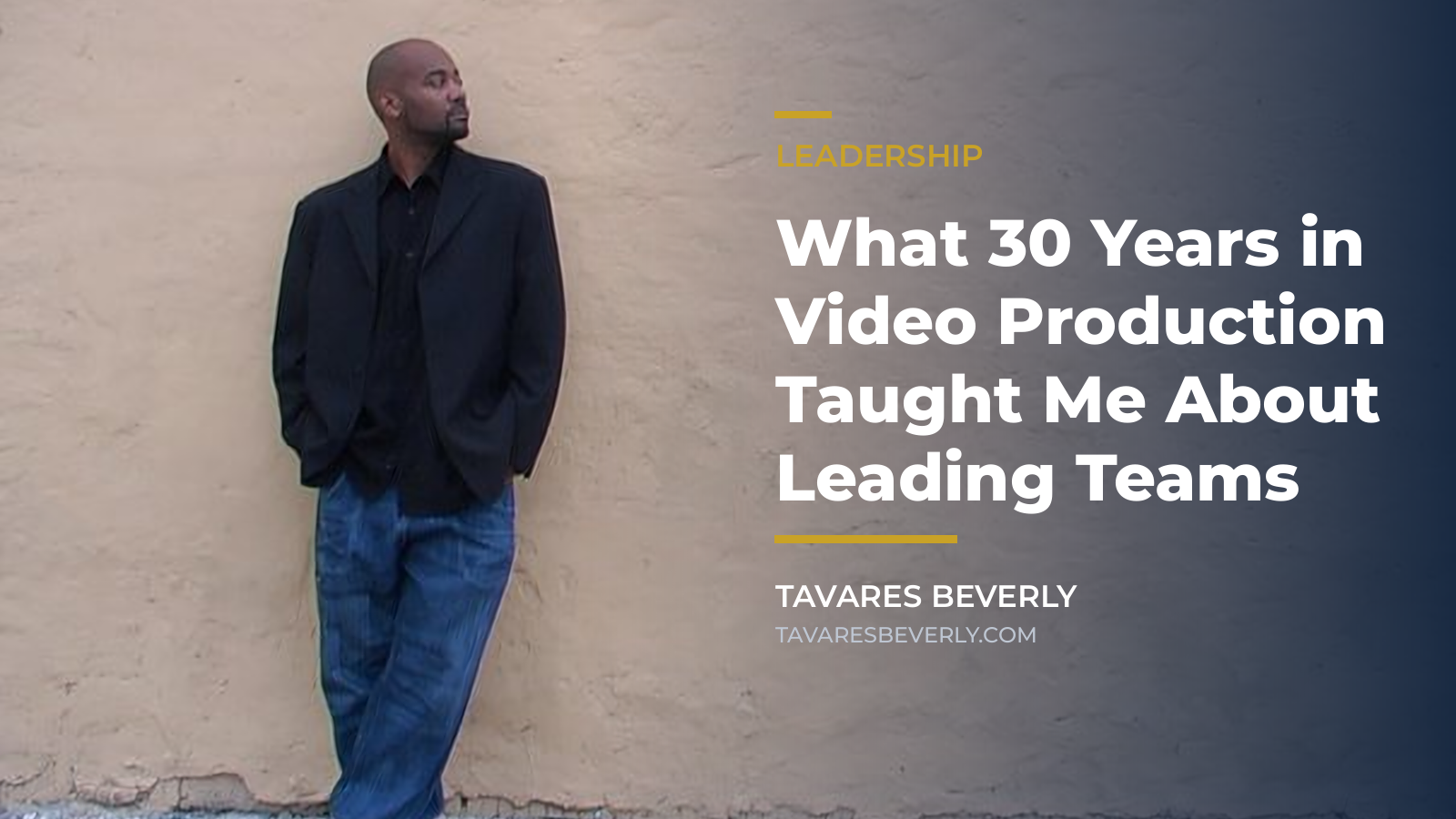
In 2002, I started Beverly Boy Productions with a camera, a business card, and a stubborn belief that I could out-serve anyone in the market. Nearly a quarter century later, we’ve produced video for Fortune 500 brands like Forbes, OWN, and Dr Pepper, and built a crew network that covers the entire country. But here’s the thing nobody tells you when you start a production company: the camera is the easy part. Leading people is the real production.
Every lesson I know about leadership, I learned on a set — usually the hard way, usually with the clock running and the client watching. Here are the ones that stuck.
1. The Call Sheet Is a Leadership Document
On a film set, everyone gets a call sheet: who’s needed, where, when, and for what. There’s no ambiguity. Nobody stands around wondering what their job is. When I look at struggling teams in any industry, the root cause is almost always the same — nobody wrote the call sheet. People are talented but pointed in different directions.
The lesson: clarity is a gift you give your team. Ambiguity feels flexible, but it’s actually a tax everyone pays daily. Great leaders over-communicate the plan, the roles, and the definition of done.
2. Pre-Production Is Where Projects Are Won
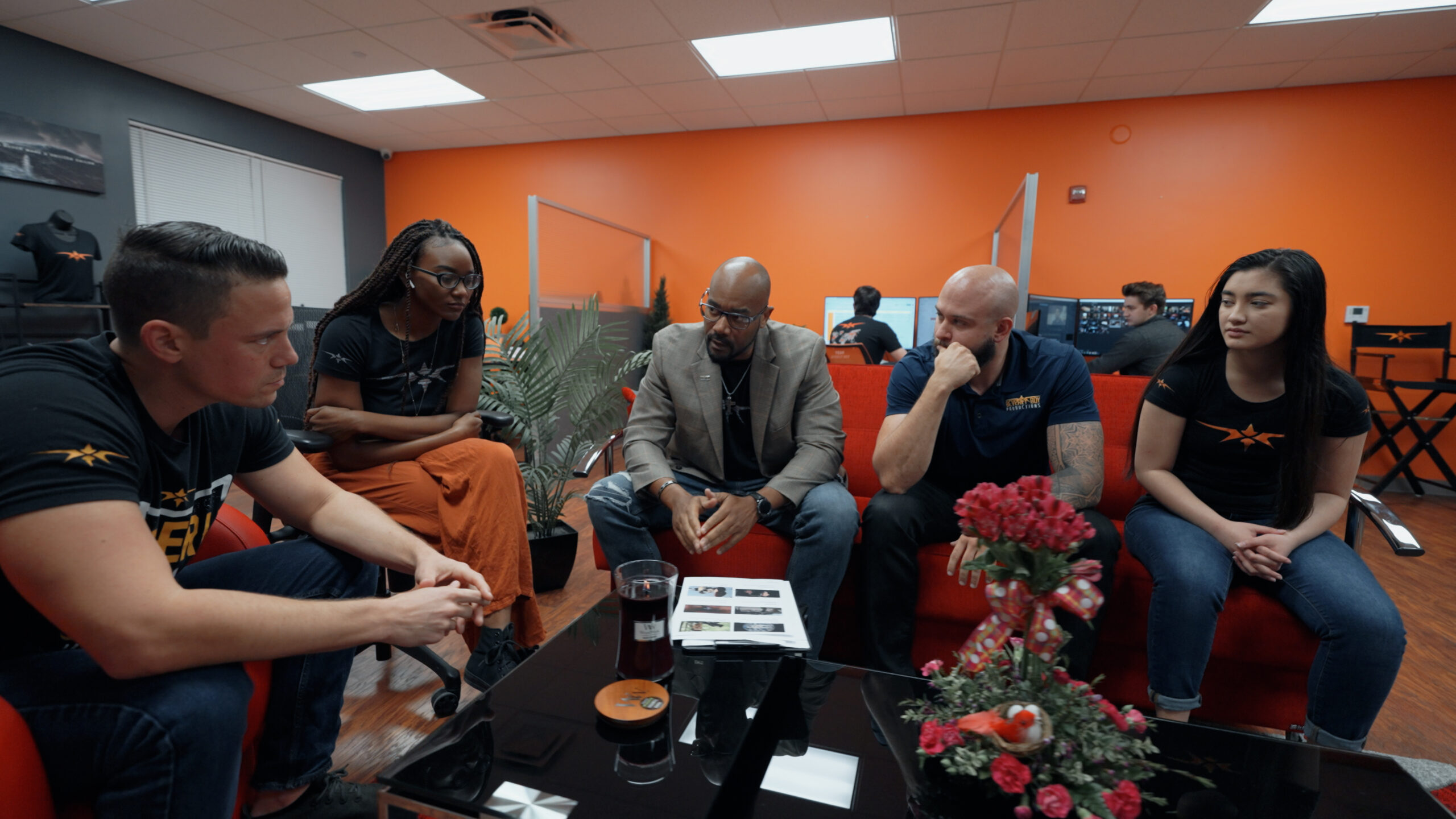
Amateurs think the shoot is the work. Professionals know the shoot is the result of the work. By the time we roll cameras, 80% of the outcome is already decided — in location scouts, shot lists, contingency plans, and conversations that happened weeks earlier.
The same is true for any team. The meeting where things go wrong isn’t the meeting where you notice it. Leaders who invest in preparation look lucky. They aren’t lucky — they’re prepared for the version of the day that actually happens, not the one on the schedule.
3. Hire for the Third Setback, Not the Highlight Reel
Everyone performs well when the light is good and the client is happy. But production is a business of setbacks: weather turns, gear fails, flights get canceled, talent runs late. I stopped hiring off highlight reels a long time ago. I hire for how someone behaves at the third setback of the day — because there is always a third setback.
Skills get you on set. Composure keeps you there. After 30+ years, I can teach almost anyone the camera. I can’t teach calm.
4. The Director Doesn’t Hold the Camera
Early on, I wanted my hands on everything — every edit, every shot, every client call. Growth forced me to learn the most uncomfortable lesson in leadership: if you’re the best person on your team at everything, you’ve built a small team. My job stopped being ‘making the video’ and became ‘building the machine that makes videos’ — hiring crews across the country, setting the standard, and trusting people to hit it.
Delegation isn’t giving away work. It’s multiplying the number of places your standard shows up without you.
5. The Client Isn’t Buying Video. They’re Buying Certainty.
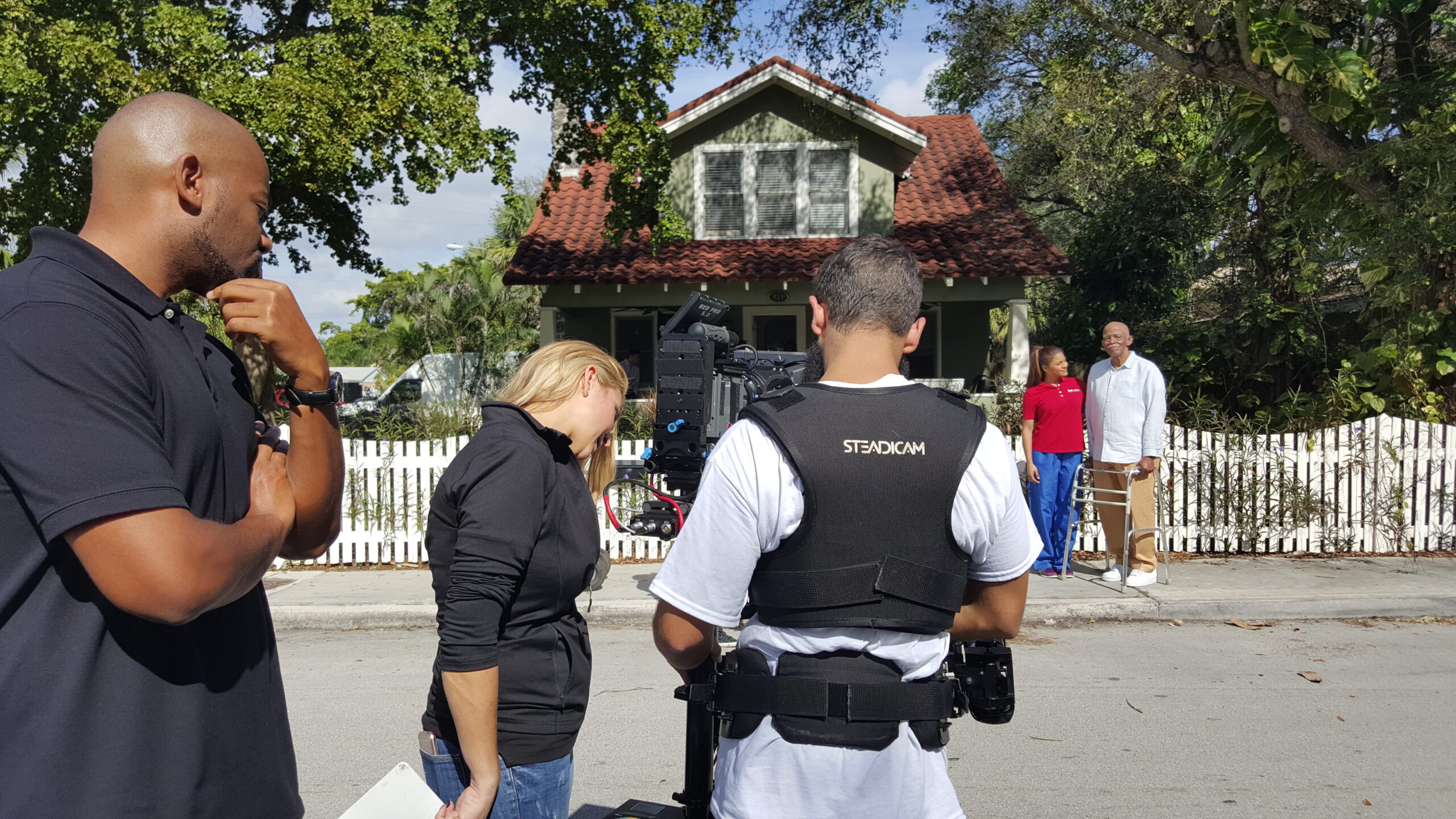
Twenty-four years of client work taught me that what people pay for is rarely the deliverable. They’re paying for the feeling that this will get handled. Fortune 500 brands didn’t hire us because we owned better cameras than the next company. They hired us because we removed doubt at every step — clear scope, honest timelines, no surprises.
Whatever business you lead, the product on the invoice is not the product. Certainty is the product. Teams that internalize that stop competing on price.
6. Culture Is What Happens at Wrap
You learn everything about a company’s culture in the last hour of a 12-hour shoot day. Do people help load the truck, or do they vanish? Does the lead thank the PA, or just the client? I’ve watched million-dollar relationships get built in those moments — and I’ve watched talented crews never get hired again because of them.
Culture isn’t the poster on the wall. It’s the behavior your team defaults to when they’re exhausted and nobody’s grading them.
The Through-Line
Thirty years in, the biggest thing production taught me about leading teams is this: a set only works because everyone believes the person next to them will do their job. Trust is the actual infrastructure. Everything else — the gear, the process, the plan — sits on top of it.
That belief is also why I now run film-style team building workshops for companies: because a film set is the fastest trust-building machine I’ve ever seen. More on that in the next post.
— Tavares Beverly is the founder of Beverly Boy Productions, a nationwide video production company serving clients including Forbes, OWN, and Dr Pepper. Get in touch for speaking, workshops, and media inquiries.